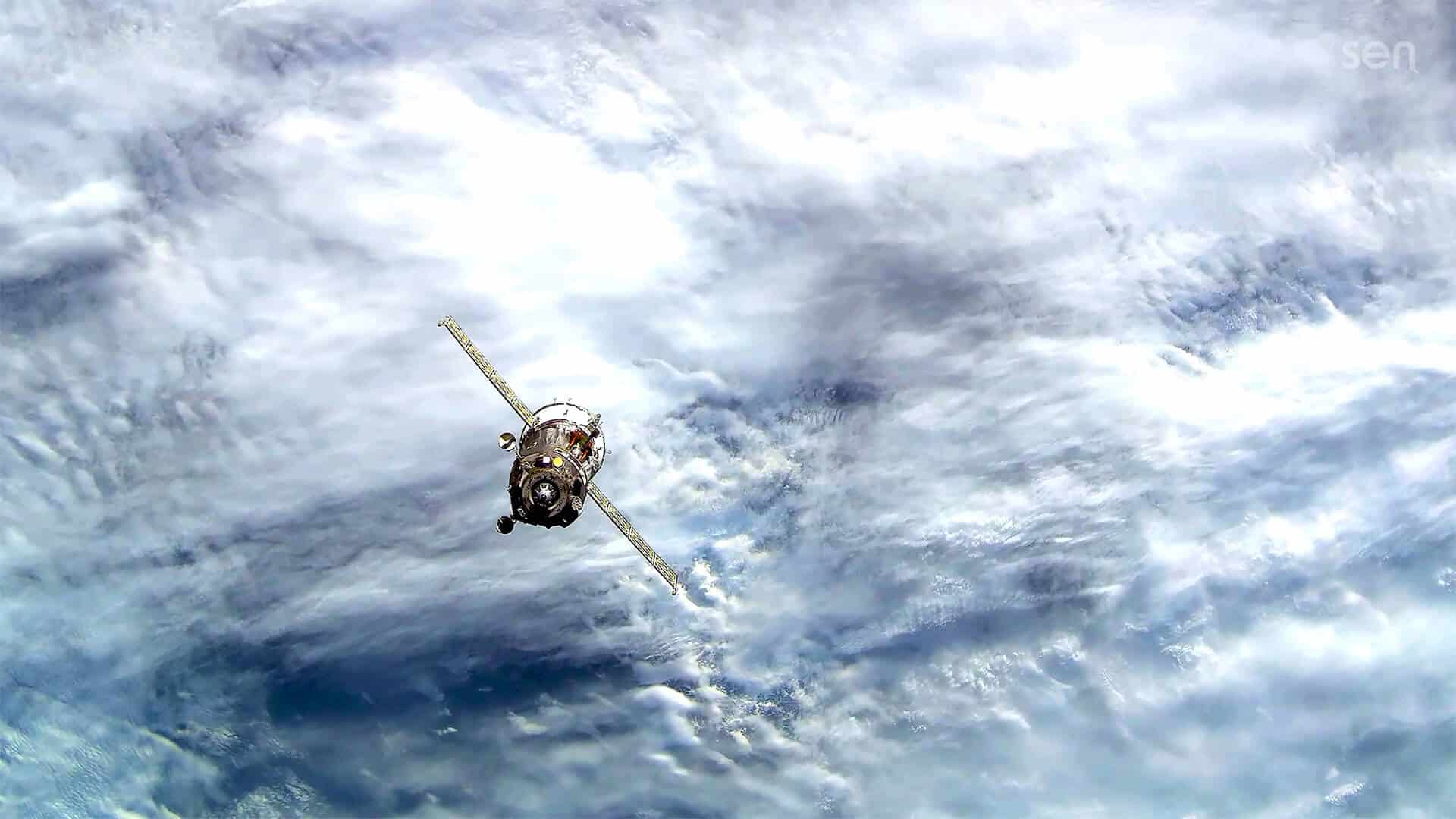








Sen’s vision is to democratize space using video to inform, educate, inspire and benefit all humanity.
Sen’s mission is to stream real-time videos from space to billions of people, gathering news and information about Earth and space and making it universally accessible and useful.
Sen’s vision is a humanitarian one—to help raise awareness about planetary changes and to support those directly affected by events on Earth, and to help inform people about the reality of our existence in space. Sen will give
people videos of Earth, other worlds and space. Augmented Reality and AI will be used to help tell the story of what viewers are seeing, and help make Sen a useful educational resource.
By creating a new form of media suitable for mass consumption, Sen will provide new perspectives of Earth and space that can inspire, unite and educate humanity as we become a multi-world democracy.
We operate our video camera system on the International Space Station, called SpaceTV-1. This mission launched to the ISS in March 2024 and went live in September 2024.
We are building more camera systems for Low Earth Orbit and plan to scale to deep space locations such as Geostationary Orbit and the Moon.
Sen’s cameras will be deployed on both its own satellites and as hosted payloads on other spacecraft such as rovers and drones to capture the maximum number of perspectives of what’s happening in space, including deploying video cameras on and around the Moon and later Mars, providing multi-world data.
As humans and robots explore space beyond Earth, billions of people on Earth have an interest and a right to hear the story, to provide informed consent for a multi-world democracy. Sen’s mission is to tell the story of humanity’s
exploration of the Solar System and one day beyond, democratizing space for all humanity.
Our story
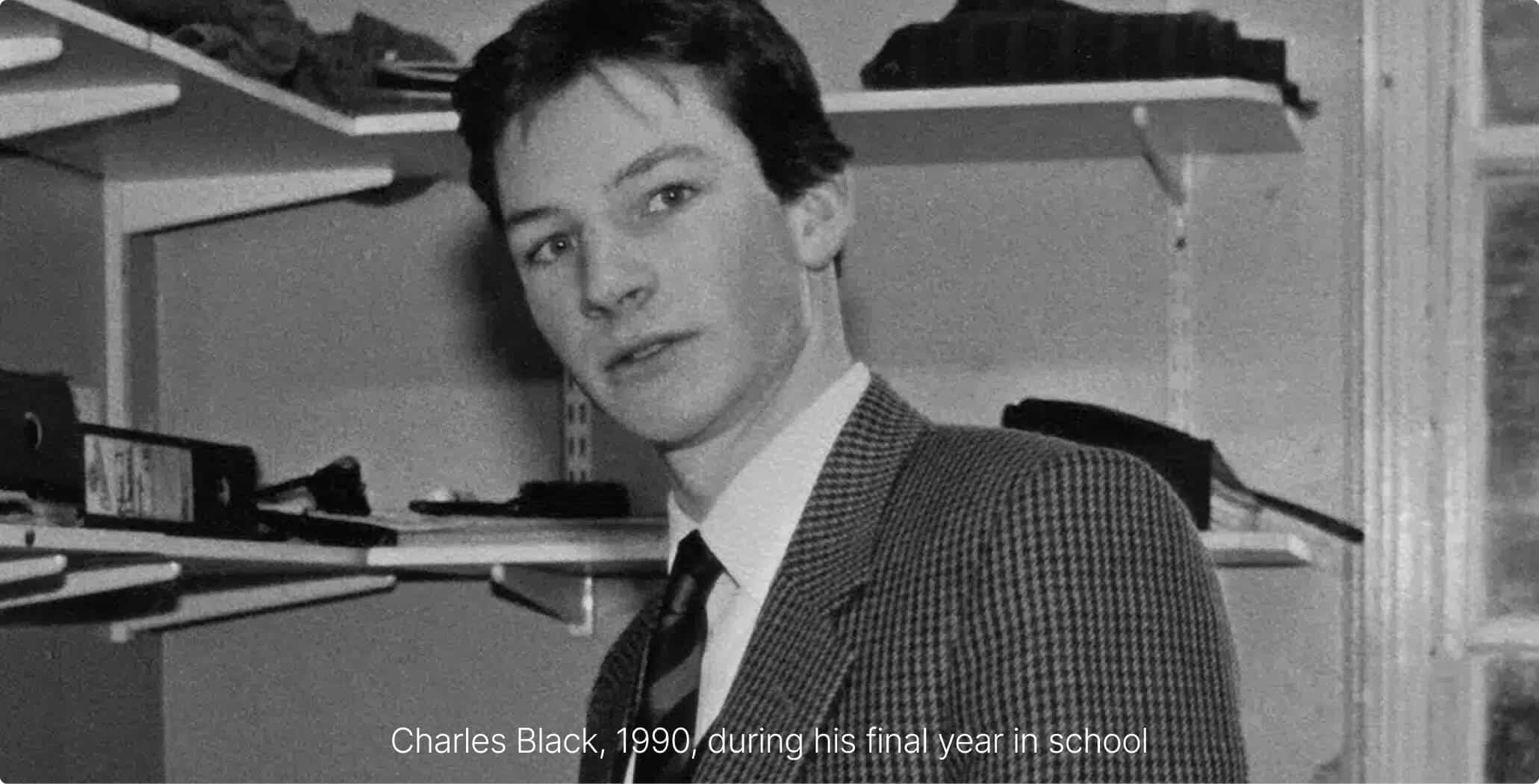
Sen was founded by Charles Black, who came up with the idea after leaving school in 1990. Charles believed that everyone should have access to the story of space exploration through the use of video cameras exploring space.
With the idea in mind, Charles waited for the right time before starting Sen as it required the internet and commercial space to emerge in order for the necessary infrastructure to be in place for global livestream content. Charles
studied law and qualified as a barrister through the the period 1992 to 1998, then started a cloud computing company. Originally called Space Internet, he changed the name to Nasstar a few years later, listing it on the London Stock
Exchange. Whilst running Nasstar, Charles was incorporated Sen Corporation Ltd in 2007 and bought the Sen.com domain in 2008. After exiting Nasstar, Charles decided the time was right to start Sen. Sen hired its first engineers in
2016 and set about developing the technology for video cameras in space.
Sen’s first mission launched in February 2019, with six 4K video cameras hosted on a Russian built satellite. The mission successfully demonstrated Sen could capture and downlink 4K video from space. Sen iterated its technology and
launched its first satellite, ETV-A1, in 2022. The satellite’s three year mission ended in 2025, having successfully proven live 4K video during ground station passes. In 2024, Sen’s SpaceTV-1 mission launched to the International
Space Station.
Sen’s public livestream from SpaceTV-1 launched in December 2024 on sen.com and on 24 January 2025 on YouTube.